by Grace | Aug 31, 2020 | Health Assessments, Workplace Education
Today is Gold Bow Day (Thyroid Awareness).
“Statistics show 1 million Australians have an undiagnosed thyroid disorder.” – The Thyroid Foundation, 2020.
What is the thyroid gland and what does it do?
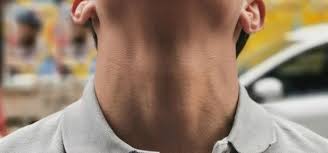
According to the Thyroid Foundation (2020), the thyroid gland is located at the front of the neck below the voice box or Adam’s Apple, and consists of two lobes located either side of the windpipe.
The thyroid hormone regulates body and brain growth and development, body temperature, energy levels and metabolic functions.
Hypothyroidism:
If the thyroid gland produces insufficient thyroid hormone, this is known as Hypothyroidism (an underactive thyroid). According to healthdirect.gov.au (2020), somebody with Hypothyroidism may experience the following symptoms:
Hyperthyroidism:
According to the Thyroid Foundation (2020), if the thyroid produces too much thyroid hormone, it is known as Hyperthyroidism where symptoms may include the following (Mayoclinic.org.au, 2020):
- Unintentional weight loss, even when your appetite and food intake stays the same or increases
- Rapid heartbeat (tachycardia) — commonly more than 100 beats a minute
- Irregular heartbeat (arrhythmia)
- Pounding of your heart (palpitations)
- Increased appetite
- Nervousness, anxiety and irritability
- Tremor — usually a fine trembling in your hands and fingers
- Sweating
- Changes in menstrual patterns
- Increased sensitivity to heat
- Changes in bowel patterns, especially more frequent bowel movements
- An enlarged thyroid gland (goiter), which may appear as a swelling at the base of your neck
- Fatigue, muscle weakness
- Difficulty sleeping
- Skin thinning
- Fine, brittle hair
Thyroid issues ARE treatable and you do not have to live with the symptoms.
It is advised you seek medical advice from your GP if you are experiencing any of the above symptoms and NOT ASSUME you have thyroid issues. However, it doesn’t hurt to mention you have been educated on the topic!
Gold Bow Day symbolises support for Thyroid Cancer in Australia. If you’d like to donate, click here – https://thyroidfoundation.org.au/Donate

by Grace | Aug 24, 2020 | Health Assessments, Workplace Education
At Workplace Health & Safety Victoria, we strive to help you pick the best assessments relevant to YOUR business. We tailor packages to suit your needs. Therefore, we talk with our customers one on one prior to booking any services to gather the best understanding of their workplace and the services needed.
Ever wondered what is involved in our pre-employment medicals and health assessments? Our Nurse visits your workplace to complete basic health assessments and we have facilities in Geelong & Torquay for your staff to visit us to complete the more extensive assessments.
Investing in your employee’s health comes with its own benefits including:
- Reduced absenteeism
- Improvement of injury incidence and outcomes
- Retaining top talent
- Increased workplace productivity
- Improved company morale
- Support for an aging workforce
- Identification and support for mental illness
- Raised awareness of relevant health issues and providing referrals where appropriate
Pre-Employment Medicals:
Pre-employment medicals are now an integral component for any business when employing new staff or to assess existing staff’s ability to perform general or specific tasks important to their job.
Pre-employment medical assessments present a realistic overall picture of a potential employee to an employer, which assesses the efficiency and productivity that employee can bring to your organisation.
- Standard Pre-Employment Medical
- Hearing (Audiometry)
- Vision
- Blood pressure
- Spirometry (lung function)
- Physical assessment (completed by a physiotherapist)
- Strength tests
- Joint range of movement
- Spinal assessment
- Musculoskeletal testing
- Functional capacity assessments
- Drug & alcohol screening
- Skin checks
- Assessment and administration of immunisations (if needed)
- ECG’s (to measure heart activity)
- Chest x-rays
- MRI scans
Health Assessments:
Health Assessments form an overall picture of the health of your staff. Assistance to address any issues that may be evident can then be provided through programs created by our General Practitioners and Allied Health Practitioners.
We offer three different levels of health assessments (as well as pre-employment medical assessments) ranging from 15 minutes to 1 hour, which can include the following:
- Height, weight and waist circumference
- Blood pressure, heart rate
- Cholesterol and heart health
- Glucose levels (screening for Diabetes)
- Body composition scan
- Mental Health assessment
Other areas and tests can be included based on your needs.
Whether it be a pre-employment medical assessment or yearly health assessment, our GP’s and Nurses will review the information and advise on areas of focus for the employee’s age group and areas of their health and wellbeing that may need additional attention.
Interested? Get in touch to find assessments suitable for your business – workplacehealth@gmhg.com.au or 0456 387 569.

by Grace | Aug 18, 2020 | Workplace Education
Earlier this month was Sleep Awareness Week.
What are the benefits of a good night’s sleep on your work performance?
- Increased alertness
- Improved memory
- Increased productivity
- Higher levels of reasoning
- Decreased stress levels
- Levelled mood
- Increased attention to detail
- More focused, reasonable thinking
- The ability to think more clearly
On top of this, sleep can help you to:
According to healthline.com (2018)
- Maintain a healthy body weight
- Decrease your risk of developing heart disease or stroke
- Decrease your risk of developing Type 2 Diabetes
- Avoid depression
- Increase your immune function
- Decrease inflammation in the body
What can you do to ensure a good night’s sleep?
According to sleepfoundation.org, the best tips are:
- Stick to a sleep schedule – same bedtime and same wake up time, even on weekends
- Practice a relaxation bedtime ritual – A relaxing, routine activity (such as reading or meditation) conducted away from bright lights
- Avoid naps – power naps may get you through the day, but if you find you can’t get to sleep at bedtime, cut them out
- Exercise daily – vigorous exercise is best, but even light activity is better than no activity
- Evaluate your room – your bedroom should be cool, free from any noise or light. Consider ear plugs and eye masks
- Sleep on a comfortable mattress and pillows – invest, full stop
- Avoid bright lights at night time – save this for the morning
- Wind down – spend the last hour before bed doing a calming activity such as reading. For some people, electronic devices such as a laptop can make it hard to fall asleep
- If you can’t sleep, go into another room and do something relaxing until you feel tired – it is best to take work materials, computers and televisions out of the bedroom. Save your bed for sleep
- If you’re still having trouble sleeping – don’t hesitate to speak to your local GP

by Grace | Aug 18, 2020 | Drug & Alcohol Testing, Flu & Travel Vaccinations, Health Assessments, Skin Checks, Workplace Education
August raises awareness of the risks posed to those who work in trade occupations.
According to Victoria Health and Queensland Health, some common health issues that tradies are faced with include:
• Consistent sun exposure
• Psychological pressure
• Poor mental health
• Poor nutrition
• Insufficient exercise
• Alcohol and drugs
𝗛𝗼𝘄 𝗰𝗮𝗻 𝘄𝗲 𝗵𝗲𝗹𝗽 𝘆𝗼𝘂?
We offer 𝑒𝑑𝑢𝑐𝑎𝑡𝑖𝑜𝑛 𝑠𝑒𝑠𝑠𝑖𝑜𝑛𝑠 to construction sites from qualified 𝑑𝑖𝑒𝑡𝑖𝑡𝑖𝑎𝑛𝑠, 𝑝𝑠𝑦𝑐ℎ𝑜𝑙𝑜𝑔𝑖𝑠𝑡𝑠 𝑎𝑛𝑑 𝑝ℎ𝑦𝑠𝑖𝑜𝑡ℎ𝑒𝑟𝑎𝑝𝑖𝑠𝑡𝑠.
Our 𝑑𝑖𝑒𝑡𝑖𝑡𝑖𝑎𝑛𝑠 are skilled in educating what foods to eat at certain times of the day to fuel your brain, how to maintain a healthy body weight and considerations for shift workers.
Our 𝑝𝑠𝑦𝑐ℎ𝑜𝑙𝑜𝑔𝑖𝑠𝑡𝑠 are skilled in educating worksites on well being within the workplace, the effect of drugs and alcohol on one’s ability to work, coping with stress and anxiety, managing conflict and maintaining a work-life balance.
Our 𝑝ℎ𝑦𝑠𝑖𝑜𝑡ℎ𝑒𝑟𝑎𝑝𝑖𝑠𝑡𝑠 educate on lifting techniques in the workplace, stretches and strength exercises to minimise the risk of workplace injury.
On top of this we offer skin checks from qualified 𝐺𝑃’𝑠, health assessments conducted by 𝑁𝑢𝑟𝑠𝑒𝑠 and Drug & Alcohol testing.
Get in contact with us to celebrate and support your tradies – workplacehealth@gmhg.com.au or 0456 387 569.

by Grace | Aug 18, 2020 | Health Assessments, Workplace Education
Ovarian Cancer Awareness Month is held each year in Australia to:
- Raise awareness of signs and symptoms;
- Share stories of real women affected by the disease;
- Highlight the risk factors of ovarian cancer;
- Educate Australians on diagnosis and treatment;
What are the signs and symptoms of ovarian cancer?
According to Ovarian Cancer Australia:
- Increased abdominal size or persistent abdominal boating;
- Abdominal or pelvic (lower tummy) pain;
- Feeling full after eating a small amount;
- Needing to urinate often or urgently;
- Changes in bowel habits;
- Unexplained weight loss or weight gain;
- Lower back pain;
- Excessive fatigue;
- Indigestion or nausea;
- Bleeding after menopause or in-between periods;
- Pain during intercourse or bleeding after;
It is important to remember all the symptoms mentioned can be caused by other, less serious medical conditions. However, if you are experiencing any of these symptoms, which are persistent and troublesome, you should see your doctor. They will be able to examine you and if necessary, do further tests to find the cause of your problems.
Risk factors of ovarian cancer:
- Increasing age;
- Hereditary factors;
- Having endometriosis, previous breast cancer or diabetes;
- Use of hormone replacement therapy (HRT);
- Being overweight;
- Smoking;
- Having not had children;
Diagnosis:
If you are concerned, visit your local GP (otherwise, you can visit our doctors at Geelong Medical and Health Group – https://www.geelongmedicalgroup.com.au/)
What can you do to help?
Buy a teal ribbon for $3 or donate to Ovarian Cancer Australia – https://ovariancancer.net.au/ovarian-cancer-awareness-month/

by Grace | Jul 21, 2020 | Workplace Education
Dry July is a fundraiser that encourages you to go alcohol-free in July to raise funds for people affected by cancer.
The funds you raise as part of your Dry July will provide invaluable services for cancer patients, their families and carers – whether it’s a lift to a life-saving appointment, guidance from a specialist nurse, connection to an informative voice, access to therapy programs or a bed close to treatment. (www.dryjuly.com.au, 2020)
Having a month off alcohol also has it’s health benefits! According to Healthline and DryJuly (2020), going alcohol free for a month can help:
- Decrease your risk of cardiovascular disease;
- Reduce your risk of cancer;
- Reverse the fatty changes to your liver;
Get your workmates together and challenge yourself to Dry July! – https://www.dryjuly.com/contact