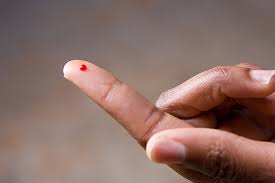
by Grace | Apr 4, 2022 | Workplace Education
Sunday 17th April is Work Hemophilia Day.
Hemophilia is an inherited bleeding disorder where the blood doesn’t clot properly, making it difficult to control bleeding (Australian Hemophilia Foundation, 2021).
When a blood vessel is injured, special proteins in the blood called ‘clotting factors’ control blood loss. People with hemophilia have lower than normal levels of this clotting factor (Health Direct, 2022).
Signs and Symptoms:
Mild hemophilia (5% – 40% of normal clotting factor level):
- Generally bleeding problems following an injury, teeth removal, surgery or medical procedures that pierce the skin;
- May never have a bleeding problem requiring medical attention;
- May not be diagnosed until later in life if not playing contact sports and have not had any injuries or operations;
- Females might also have bleeding problems with periods (menstruation) or childbirth;
Moderate symptoms (1% – 5% of normal clotting factor level):
- May have bleeding problems with minor injuries, such as sporting injuries;
- Likely to have bleeding problems after having teeth taken out, surgery, medical procedures and/or a bad injury;
- Occasionally have a bleeding episode for no obvious reason (‘spontaneous bleeds’);
Severe hemophilia (Less than 1% of normal clotting factor level):
- Often have bleeds into joints, muscles and soft tissues;
- Can have bleeding episodes for no obvious reason (‘spontaneous bleeds’) as well as after surgery, dental work or injuries including minor bumps and knocks;
Diagnosis:
Hemophilia is generally diagnosed through assessing your symptoms, family history and laboratory tests.
Treatment:
Care and treatment for people with hemophilia involves a team of specialist health professionals.
Treatment may involve clotting factor concentrates, hormones and medications.

by Belinda | Mar 29, 2022 | Health Assessments, Workplace Education
Australia is coffee obsessed.. us included! Millions rely on caffeine every day to stay alert, improve conversation and to simply take a ‘coffee break’ from work.
Caffeine is a drug that stimulates your brain and nervous system (Better Health, 2021). In small doses, caffeine can make you feel refreshed and focused.
Caffeine is naturally found in the leaves and fruits of some plants. It is in many things we consume including coffee, coca cola, cocoa, black tea, green tea and energy drinks.
What can caffeine do to your body?
If consumed excessively, caffeine can have the following negative affects on the body.
- Rise in body temperature;
- Dehydration;
- Dizziness;
- Headaches;
- Rapid heart beat (palpitations);
- Frequent urination;
- Restlessness;
- Anxiety;
- Irritability;
- Trembling hands;
- First feeling energetic, then having an even greater feeling of tiredness;
How much caffeine is considered acceptable?
Research suggests that 400mg per day or less is a desirable dose of caffeine for the general population. For pregnant women, 200mg per day is recommended.
Approximate caffeine levels per serve include (betterhealth, 2021):
- Instant coffee: 80–120mg per 250ml
- Percolated coffee: 150–240mg per 250ml
- Espresso coffees, latte, flat white, etc: 105–110mg per 250ml
- Caffeine tablets such as No-Doz – 100mg per tablet.
- Decaffeinated coffee: 2–6mg per 250ml
- Black tea: 65–105mg per 250ml
- Cola drinks: 40–49mg per 375ml
- Red Bull energy drink: 80mg per 250 ml
- Dark chocolate bar: 40-50mg per 55g serve
- Milk chocolate bar – 10mg per 50g serve
- Chocolate drinks: 5–10mg per 250ml
by Belinda | Mar 29, 2022 | Health Assessments, Workplace Education
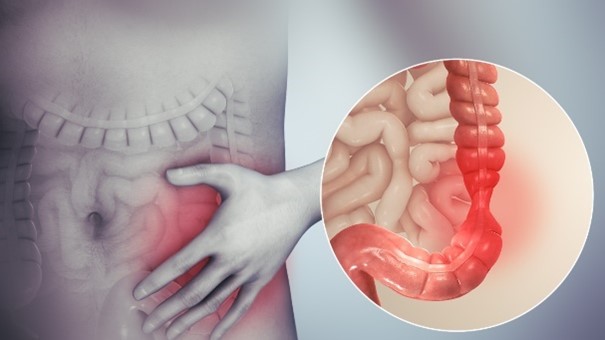
Irritable Bowel Syndrome (or ‘IBS’), is a collection of symptoms that result from abnormal functioning in the bowel.
If you have IBS, you are not alone! Approximately 20% of the Australian population experience IBS symptoms – The Gut Foundation, 2022.
Symptoms:
According to The Mayo Clinic (2022), symptoms are usually present for a long time – the most common include:
- Abdominal pain, cramping or bloating that is related to passing a bowel movement;
- Changes in appearance of bowel movement;
- Severe constipation of chronic diarrhoea;
- Excessive flatulence;
Triggers:
Symptoms of IBS can be triggered by:
- Food – including wheat, dairy products, citrus fruits, beans, cabbage, milk or carbonated drinks;
- Stress – while stress can aggravate symptoms, it doesn’t cause them.
Causes:
The exact cause of IBS isn’t known, however factors that play a role include:
- Muscle contractions of the intestine;
- Nervous system abnormalities;
- Severe infection;
- Early life stress;
- Changes in gut microbes;
IBS can be debilitating both in the workplace and in private life. If you are concerned about any consistent symptoms, visit your GP to discuss.
by Grace | Mar 1, 2022 | Workplace Education
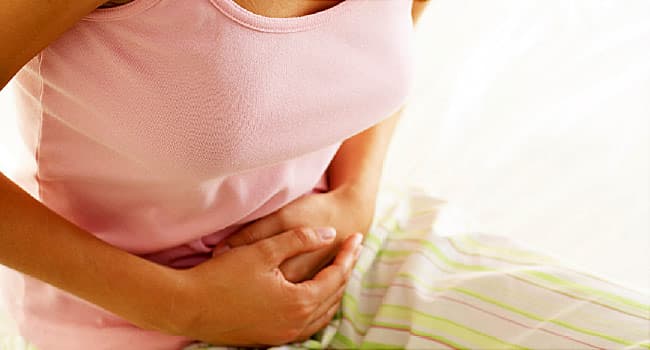
Endometriosis is often a painful disorder in which tissue grows outside your uterus. Endometriosis most commonly involves the ovaries, fallopian tubes and the tissue lining the pelvis (mayoclinic, 2022).
Symptoms:
- Painful periods – pelvic pain and cramping;
- Pain with bowel movements or urination;
- Excessive bleeding;
- Infertility;
- Fatigue, diarrhoea, constipation, bloating or nausea, especially during menstrual periods;
Causes – according to womenshealth.gov (2019):
- Problems with menstrual period flow;
- Genetic factors;
- Immune system problems;
- Hormones – estrogen appears to promote endometriosis;
- Surgery – surgeries to the abdominal area such as c-sections or hysterectomies, can cause endometrial tissue to attach to scars.
Risk factors;
- Never given birth;
- Starting your period at an early age;
- Going through menopause at an older age;
- Short menstrual cycles (eg. less than 27 days);
- Heavy menstrual periods that last longer than 7 days;
- Having higher levels of estrogen in your body;
- Low body mass index;
- Family history of endometriosis;
- Any medical condition that prevents the passage of blood from the body during menstrual periods;
- Disorders of the reproductive tract;
Complications:
- Infertility – approximately 1/3 – ½ of women with endometriosis have difficulty getting pregnant.
- Cancer – ovarian cancer occurs at higher than expected rates in those with endometriosis.
If you are at all concerned, always consult with your GP.
by Grace | Mar 1, 2022 | Workplace Education
What are your kidneys and what do they do?
The kidneys are two bean-shaped organs, each about the size of a fist. They are located just below the rib cage, one on each side of your spine. Healthy kidneys filter about a half cup of blood every minute, removing wastes and extra water to make urine (nih.gov.au, 2022).
Why are kidneys so important?
- They remove waste and extra fluid from your body;
- They remove acid that are produced by the cells;
- They maintain a healthy balance of water, salts and minerals in your blood;
- They make hormones that help control your blood pressure, make red blood cells and keep bones strong and healthy;
How do you help look after your kidneys?
According to kidney.org.au (2022)..
- Check your blood pressure regularly;
- Monitor blood glucose levels if you have diabetes and ensure you stay within your targets;
- Lead an active, healthy lifestyle and maintain healthy body weight;
Risk factors of kidney disease.
‘One in three Australians have an increased risk of kidney disease.’ – Kidney Health Australia (2022). Risk factors for developing kidney disease include people who:
- have diabetes;
- have high blood pressure;
- have established heart problems (heart failure or heart attack) or have had a stroke;
- have a family history of kidney disease or kidney failure;
- are obese with a body mass index (BMI) 30 or higher;
- have smoked or is a current smoker;
- are 60 years or older;
- are of Aboriginal or Torres Strait Islander origin;
- have a history of acute kidney injury;
It is also important to note people who have none of the risk factors above may also develop kidney disease.
You can take a quick kidney risk test here – https://kidney.org.au/kidneyrisktest/
Always consult your doctor for any areas of concern.

by Grace | Mar 1, 2022 | Skin Checks, Workplace Education
Melanoma March is a reminder to look after one of your greatest assets – your skin! Our doctors provide on site skin assessments for your staff – assisting with early detection of any areas of concern.
Some careers such as construction, or jobs which involve site visits, require employees to be out in the sun. Here’s some easy steps to ensure your workplace helps protect your employers from skin cancers and melanoma (Better Health, 2022).
- Schedule outdoor activities in early morning or late afternoon when the UV radiation is high;
- Provide information, instruction and training for workers about UV radiation and protection;
- Modify reflective surfaces;
- Provide personal protective equipment and clothing (wide brimmed hats, sunglasses, protective clothing, sunscreen and shade);
- Develop a sun protection policy that documents control measures;
- Conduct periodic assessments of the UV exposure risk to all workers;
- Offer yearly skin assessments (provided on site at your location, by our doctors at WHS Vic);
According to The Skin Cancer Foundation (2022), early detection of a melanoma is crucial and can vastly increase your chances for a cure.
Look for anything new, changing or unusual on both sun-exposed and sun-protected areas. This should be a monthly practice. Keep in mind that melanomas can arrive anywhere on the skin, even in areas where the sun doesn’t shine. The ABCDE approach can help you check your skin:
A – A is Asymmetry: Most melanomas are asymmetrical. If your draw a line through the middle of the lesion and the two halves don’t match, be sure to have this professionally checked by a skin doctor.
B – B is for Border: Melanoma borders tend to be uneven and may have scalloped of notched edges.
C – C is for Colour: Multiple colours are warning signs.
D – D is for diameter and Dark: While it’s ideal to detect a melanoma when it is small, it’s a warning sign if a lesion is the size of a pencil eraser or larger. It’s also important to look for any lesion, no matter what size, that is darker than the others. Some rare melanomas are colourless.
E – E is Evolving: Any change in size, colour, shape or elevation of a spot on your skin or any new symptom such as bleeding, itching or crusting are warning signs.
Remember: Early detection is key!
For more on early detection and pictures – https://www.skincancer.org/skin-cancer-information/melanoma/melanoma-warning-signs-and-images/